
Integrative therapies in assisted living combine standard healthcare with supportive approaches that may improve comfort, mood, mobility, sleep, and daily quality of life. They do not replace prescribed treatment or medical evaluation. Instead, they are used alongside routine care when they are safe, suitable, and consistent with a resident’s preferences.
What are integrative therapies?
Integrative therapies are non-drug or complementary approaches used together with conventional healthcare. In an assisted living setting, they may support emotional well-being, physical function, social connection, or relaxation.
Examples can include:
- Guided breathing, meditation, or quiet relaxation
- Gentle stretching, chair exercises, or tai chi
- Music, art, or reminiscence activities
- Therapeutic massage when medically appropriate
- Aromatherapy with careful attention to allergies and breathing conditions
- Time outdoors, gardening, or nature-based activities
- Pet-assisted activities involving trained animals
- Acupuncture or other specialized treatments arranged through qualified practitioners
The term “integrative” matters because these services should fit into a resident’s broader care plan. A therapy is not automatically safe simply because it is described as natural, gentle, or holistic.
Which therapies are commonly available in assisted living?
Availability varies by community, staffing, resident interest, space, and local regulations. Many communities offer wellness activities led by staff, while others arrange outside practitioners for certain services.
Movement-based approaches are common because they can be adapted for different ability levels. Seated stretching, balance exercises, walking groups, and slow coordinated movements may help residents maintain flexibility and confidence. These activities should be adjusted for people who use walkers, wheelchairs, oxygen, or other supportive equipment.
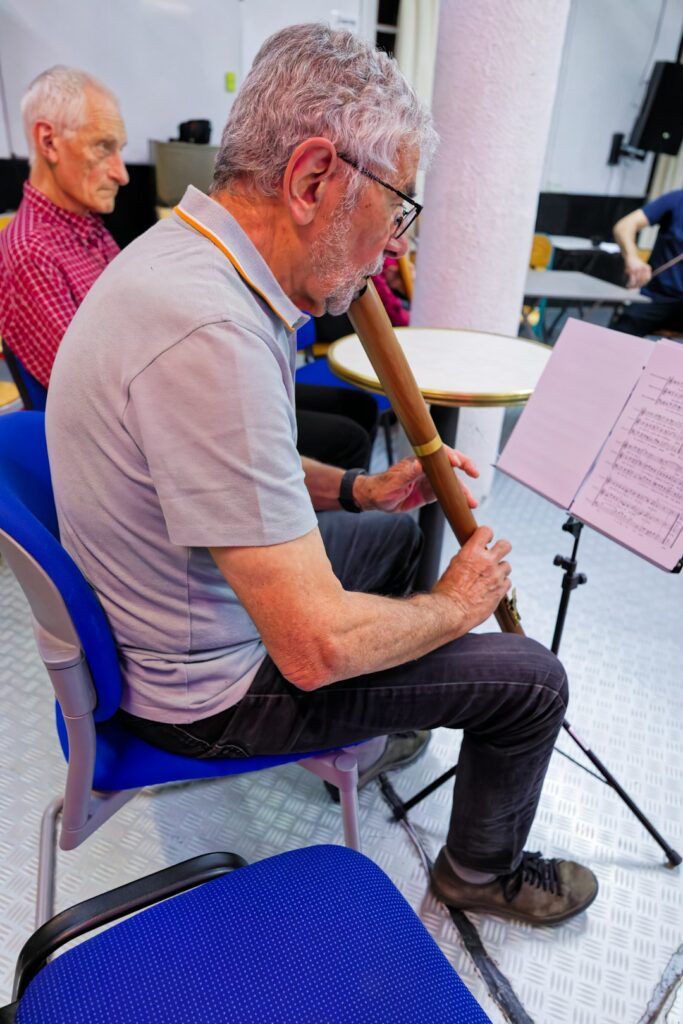
Creative activities can also have a therapeutic purpose. Singing, playing familiar music, painting, crafts, journaling, and memory-sharing may encourage communication and provide structure. A resident does not need artistic experience to benefit. The goal is often participation, expression, and connection rather than producing a polished result.
Relaxation practices may include guided imagery, progressive muscle relaxation, quiet breathing exercises, or short periods of mindfulness. These techniques can be useful before bedtime, during periods of worry, or after a busy activity.
Can integrative therapies help with dementia or memory loss?
They may support comfort, engagement, and communication, but they do not cure dementia or reliably stop memory changes. Music, familiar objects, gentle movement, sensory activities, and reminiscence programs may help some residents feel calmer or more connected.
The approach should be individualized. A person with dementia may become distressed by loud music, unfamiliar touch, strong scents, crowded rooms, or complicated instructions. Activities usually work better when they are brief, predictable, and based on the resident’s history and current abilities.
Staff and family members can look for signs that an activity is helpful, such as relaxed facial expression, increased eye contact, purposeful movement, singing, or willingness to participate. Signs of overstimulation may include pacing, withdrawal, agitation, grimacing, or repeated attempts to leave.
Are these therapies safe for older adults?
Safety depends on the therapy, the resident’s health conditions, and how the activity is supervised. Older adults may have several diagnoses, take multiple medications, or experience balance, hearing, vision, or cognitive changes that affect participation.
Before starting a new therapy, the care team should consider:
- Heart, lung, neurological, skin, or joint conditions
- Fall risk and the need for mobility assistance
- Allergies, asthma, or sensitivity to fragrances
- Medication effects such as dizziness, sedation, or easy bruising
- Skin integrity, including wounds or pressure injuries
- Communication needs and cognitive status
- Cultural, religious, and personal preferences
Essential oils deserve particular caution. Concentrated scents can irritate the airways, trigger headaches, or cause skin reactions. They should not be assumed safe for residents with asthma, chronic breathing problems, fragrance sensitivity, or certain neurological conditions. Ingestion of essential oils is especially unsafe unless specifically directed within appropriate medical care.
Massage may not be suitable over fragile skin, open areas, recent surgical sites, areas affected by blood clots, or regions with significant swelling. Acupuncture and similar services should be provided only by properly qualified practitioners who understand the resident’s health history and medication use.
Do integrative therapies replace medications or medical treatment?

No. Integrative therapies should complement, not substitute for, prescribed care, diagnostic testing, rehabilitation, wound treatment, or emergency evaluation.
For example, relaxation exercises may help a resident cope with anxiety, but new or worsening confusion could signal infection, medication problems, dehydration, pain, or another medical issue. Gentle movement may support mobility, but sudden weakness, chest discomfort, severe shortness of breath, or a new fall requires prompt medical attention rather than a wellness activity.
Residents and families should be cautious of claims that a therapy can “detox” the body, reverse dementia, cure chronic disease, or eliminate the need for prescribed medication. Strong promises are not a reliable sign of effective care.
How can residents and families evaluate a therapy?
A useful first question is: What specific goal is this therapy intended to support? The goal might be improved sleep, less muscle tension, increased activity, reduced loneliness, or more enjoyable daily routines.
It also helps to ask:
- Who leads the activity, and what training is required?
- Is participation voluntary?
- How will the therapy be adapted for mobility or memory limitations?
- What side effects or warning signs should be watched for?
- Will the activity be documented in the resident’s care plan?
- How will staff know whether it is helping?
- Are there additional charges or outside arrangements?
A resident should be able to decline an activity without pressure. Preferences can change from day to day, particularly when pain, fatigue, illness, or mood symptoms vary.
What should families consider in Ephrata, PA?
Seasonal conditions can influence which integrative therapies are practical. Cold weather, icy walkways, and shorter daylight hours may limit outdoor walks or gardening activities. During warmer periods, heat, humidity, sun exposure, and dehydration become concerns, especially for residents taking medications that affect fluid balance or temperature regulation.
Indoor alternatives can provide continuity, including window-side nature activities, indoor plants, chair-based movement, music, art, and guided relaxation. Outdoor programs should include accessible paths, shade, seating, hydration, appropriate clothing, and supervision based on each resident’s needs.
Households may also want to discuss transportation and scheduling if a therapy is provided by someone from outside the community. A treatment that requires frequent travel may be difficult for a resident who becomes tired easily or has limited mobility. In many cases, a simple activity offered consistently within the residence may be more practical than an elaborate program that is difficult to maintain.
How should results be monitored?
A therapy should be judged by observable changes rather than appealing descriptions. Staff may track sleep patterns, participation, mood, pain reports, walking tolerance, appetite, or episodes of distress.
The effect may be subtle. A resident who does not speak much may show benefit through relaxed posture or greater willingness to join a group. Another resident may prefer one-to-one music rather than a large activity. If a therapy causes discomfort, confusion, skin irritation, dizziness, or increased agitation, it should be paused and reviewed.
The most appropriate integrative therapy is usually the one that is safe, voluntary, culturally respectful, and connected to a resident’s personal goals. In assisted living, meaningful care may involve both clinical treatment and ordinary human experiences: familiar music, calm conversation, purposeful movement, creative expression, and time spent in a comfortable setting.
