
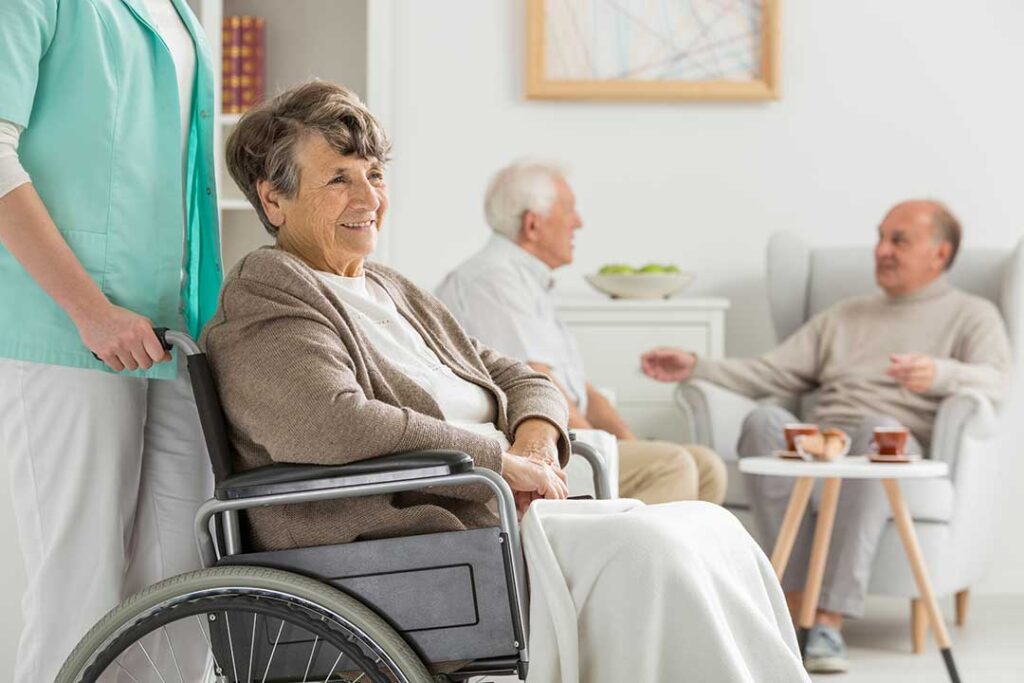
What Are Intergenerational Activities in Assisted Living Settings?
Intergenerational activities bring together people from different age groups—typically older adults and children or teenagers—for shared experiences. In assisted living communities, these activities might include arts and crafts, music performances, storytelling sessions, gardening projects, or collaborative games. Residents in Ephrata, PA often participate in these programs through partnerships with local schools or community groups.
The underlying goal is to foster meaningful relationships between generations, which can break down barriers, reduce isolation, and offer new perspectives for everyone involved.
How Do Residents Benefit on a Social and Emotional Level?
Interacting with younger generations in structured activities can alleviate feelings of loneliness and increase emotional fulfillment for older adults. Many residents find that spending time with children or adolescents is energizing, can trigger positive memories, and offers a sense of purpose beyond their day-to-day routines.
Some specific benefits include:
- Enhanced mood resulting from laughter, play, and friendly conversation
- Stronger sense of connection to the local community
- An opportunity to share wisdom, stories, and cultural traditions with youth
- Experiences of joy from mentoring or teaching skills
Residents often comment that sharing their time with younger people in the area helps them see ongoing changes in society and stay mentally stimulated.
Can Intergenerational Programs Have Cognitive Benefits for Older Adults?
Engagement with new people and unfamiliar activities challenges the brain. Residents who participate in activities such as board games with students, collaborative art projects, or cross-generational storytelling exercises often report higher mental alertness.
Research supports this observation, indicating that such programs can:
- Stimulate memory by prompting recollection of personal stories
- Encourage problem-solving and creative thinking
- Offer fresh learning opportunities—learning about technology or current trends, for example, from younger participants
In Ephrata, where seasons and family life often revolve around school schedules and holiday events, these shared experiences can naturally create topics for residents to recall and discuss among themselves after the activity ends.
Are There Benefits for Younger Generations, Too?
These activities are not just enriching for older adults; children and teens also gain valuable social and emotional skills. By spending time with community elders, local youth can learn patience, empathy, and practical life lessons that are less commonly taught in classrooms.
Some advantages for young participants include:
- Developing communication abilities, especially when talking to people with hearing, memory, or mobility challenges
- Respect and appreciation for diverse backgrounds and experiences
- Understanding local history and traditions through firsthand stories
Families in the city have noticed that children involved in such programs often become more comfortable around older adults, which can bridge the gap between generations outside of organized activities.
What Types of Activities Suit the Climate and Lifestyle Patterns in Ephrata, PA?
Intergenerational programs in the region often adapt to the local climate, seasonal rhythms, and living arrangements typical in Ephrata. Some activities are especially well suited to the area's lifestyle:
- In the spring and fall, outdoor gardening or planting projects are popular, allowing participants to work together in nature.
- During colder months, indoor art projects, group games, or storytelling circles provide warmth and shared focus.
- Around the holidays, crafting cards, singing local songs, or baking traditional treats can connect residents and young visitors through cultural traditions.

In neighborhoods with spacious community rooms or shared gardens, activities are planned with accessibility and comfort in mind. Coordinators often set up seating arrangements so that residents with walkers or wheelchairs can easily participate.
Are There Any Common Misconceptions About Intergenerational Activities?
Some residents and families may worry that these programs are simply entertainment for children or a novelty for assisted living, rather than offering real benefits to older adults. In reality, the reciprocal nature is what makes these gatherings so valuable—each group learns from and supports the other.
Another concern is that such programs might disrupt day-to-day routines, but most are scheduled thoughtfully to suit the preferences and needs of residents, with flexibility around energy levels and personal schedules.
It’s also a misconception that only outgoing, social individuals benefit from these activities. Often, quieter residents find fulfillment through creative projects or by observing, rather than directly participating.
How Are Activities Typically Organized and Managed?
In the city, intergenerational activities are generally coordinated by staff members or volunteer leaders who are sensitive to the needs of older adults. Activities are chosen based on the interests and abilities of residents, plus seasonal opportunities and available local partners such as area schools or youth groups.
Common best practices include:
- Communicating clearly with both residents and youth about activity plans
- Offering activities at various times to fit energy patterns throughout the day
- Respecting physical limitations and adjusting activities so all can participate
Family members can often join or observe, which can broaden the sense of community and offer additional connection points for residents.
Are There Any Barriers or Challenges to Be Aware Of?
Not every resident enjoys group activities or interacting with unfamiliar visitors. Some individuals might experience sensory overload or fatigue, particularly if events are too lively or long. Planners in assisted living communities address these concerns by creating smaller, quieter groups and limiting the duration of activities. Preferences are respected, with no pressure to join if someone prefers quieter pursuits.
Concerns about safety—such as flu season or severe weather in Ephrata—may also affect the timing or structure of intergenerational gatherings. In such cases, staff often move activities online or into smaller groups as needed to protect everyone's well-being.
How Can Residents Learn More or Share Feedback About These Programs?
Residents and families can usually review upcoming activity schedules in community bulletins or newsletters. Feedback is often welcomed, including suggestions for new activities or input about what works best for different personality types. Open conversations with activity coordinators, family councils, or resident groups ensure that programs stay fresh, enjoyable, and meaningful for everyone.
